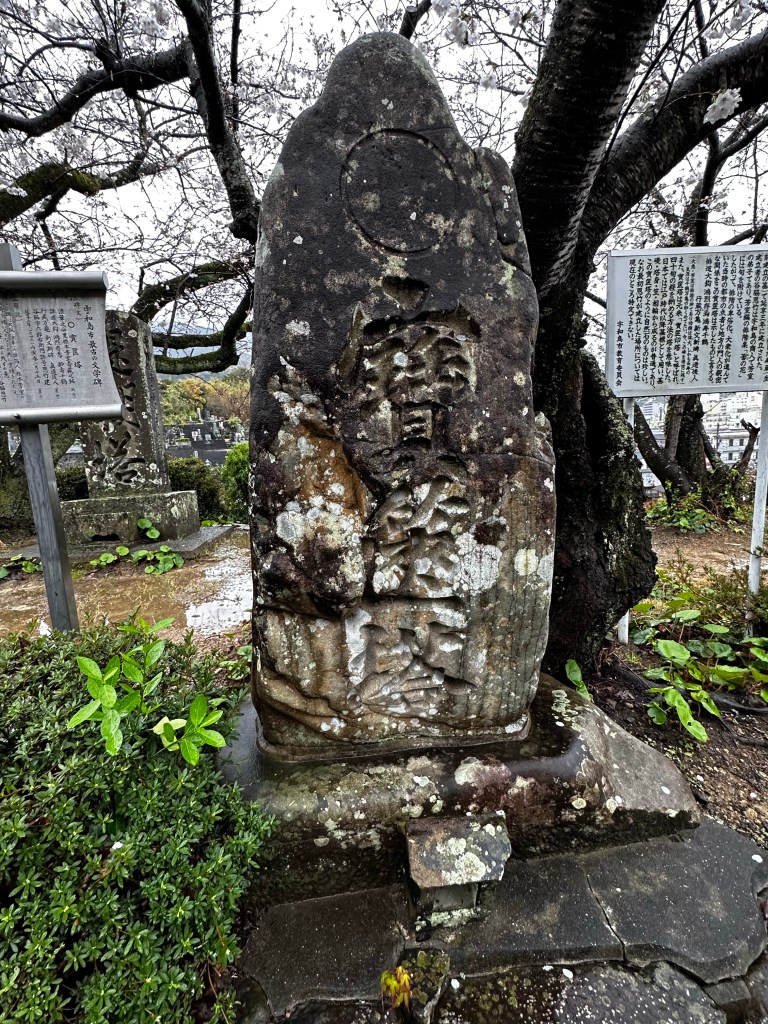
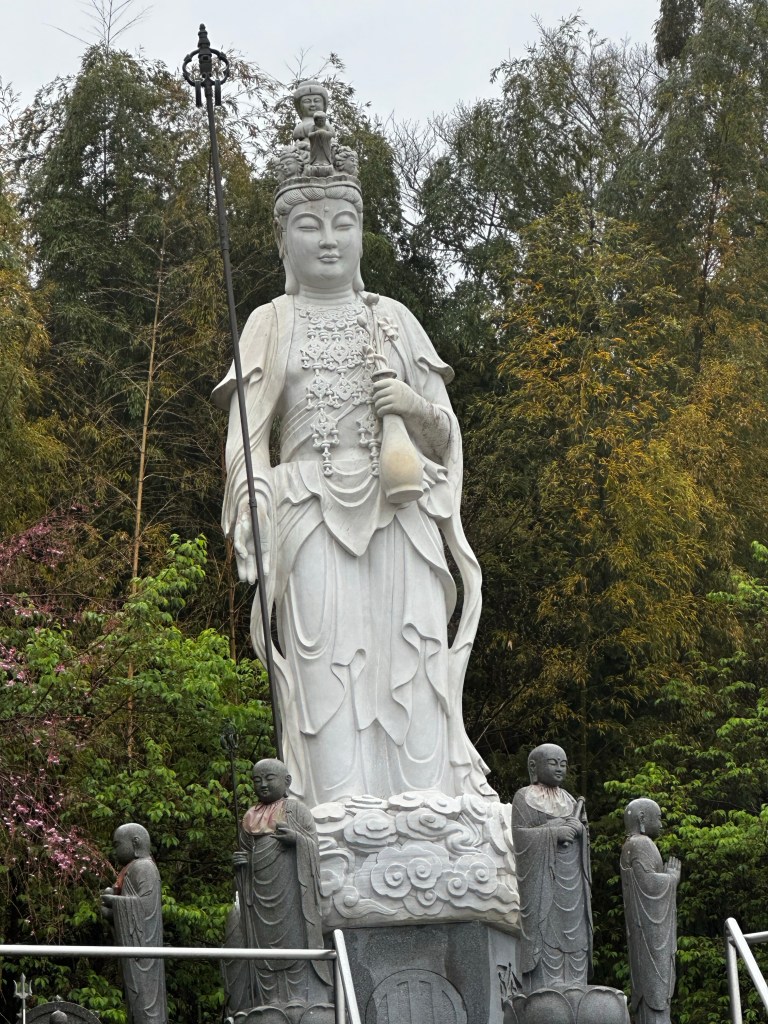
I should really remember to check my notes before visiting a temple. I get caught up in time schedules and sometime forget to look for the things I previously researched. Since both Connor and I wished to visit Uwajima Castle before leaving for Temple 41, we decided to wait until the 9:00 a.m. opening time and get an hour on the grounds before departing the city. I took that opportunity to return Bekkaku Temple 6 to get photos of two items I had missed as I had forgotten to check my notes. First was a stone carving of a poem written by master haiku poet Matsuo Basho (1644-1694 C.E.) Second was a sculpture overlooking a portion of the city located at the top of the cemetery I posted yesterday.

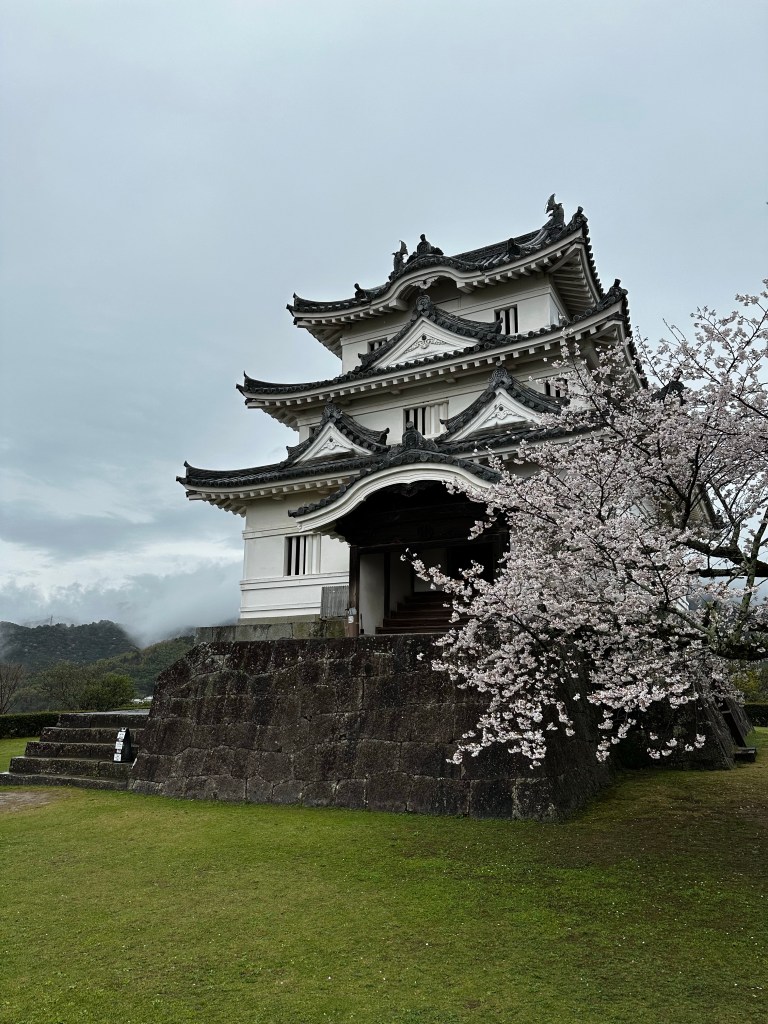
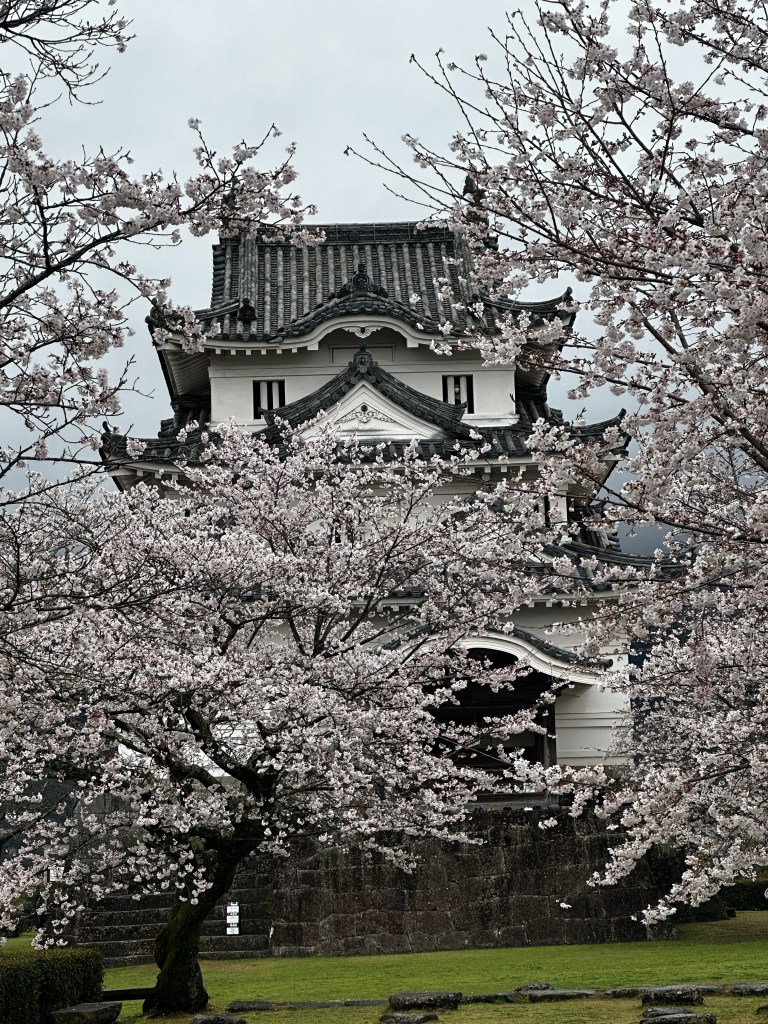
I returned to the hotel and we left for the castle arriving just as they opened. While most of the supporting buildings and fortifications no longer exist, central Uwajima Castle has remained unchanged for 300 years. It is one of a dozen castles in Japan that are still intact since the Edo Period and escaped firebombing during World War II.
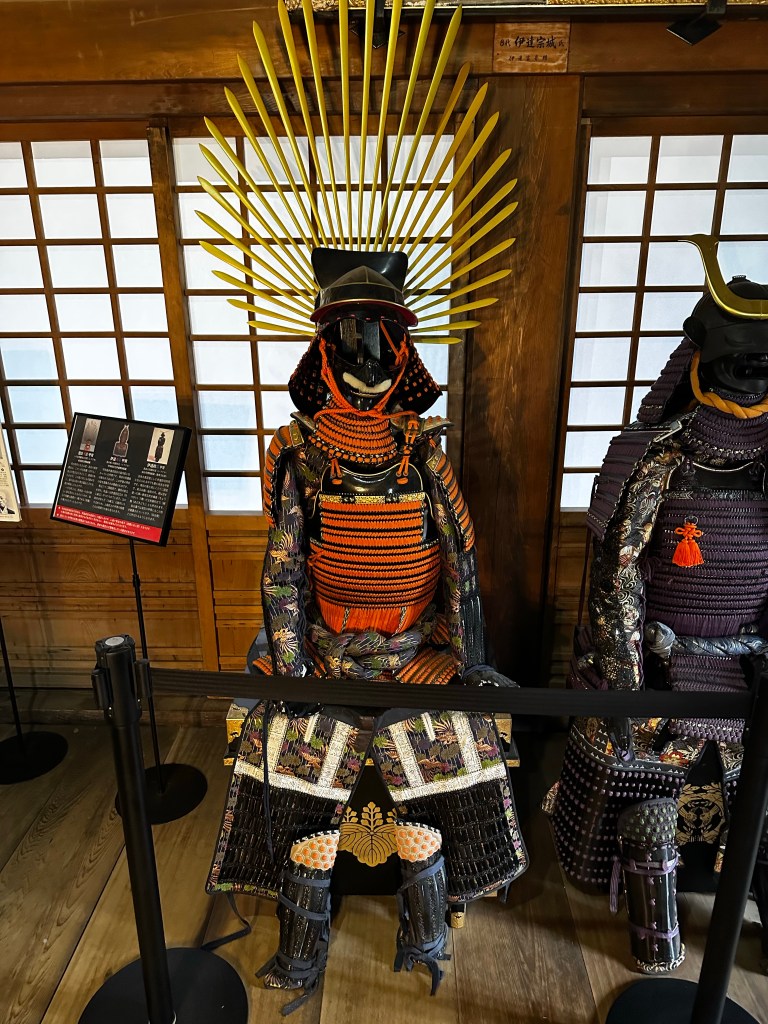
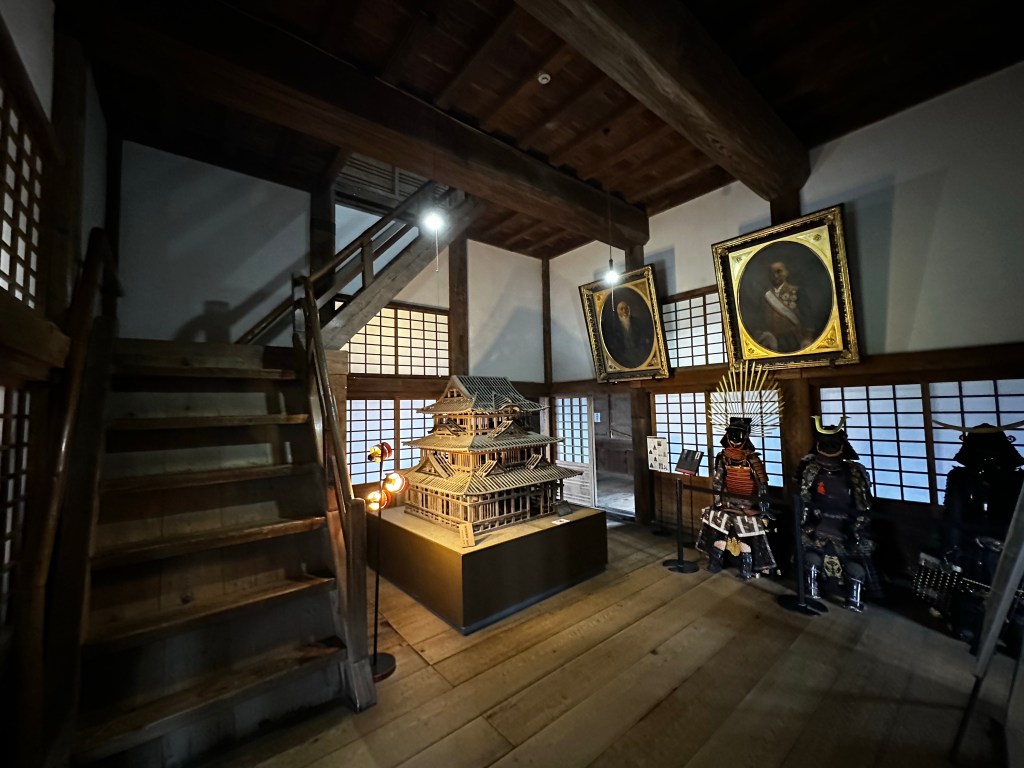
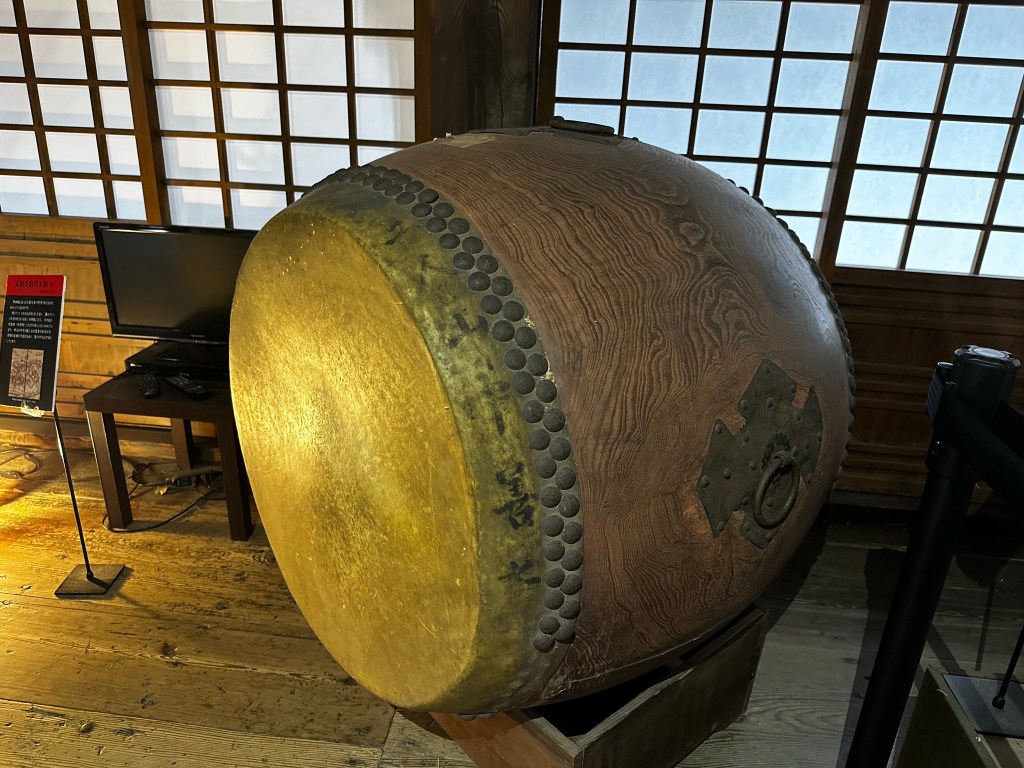
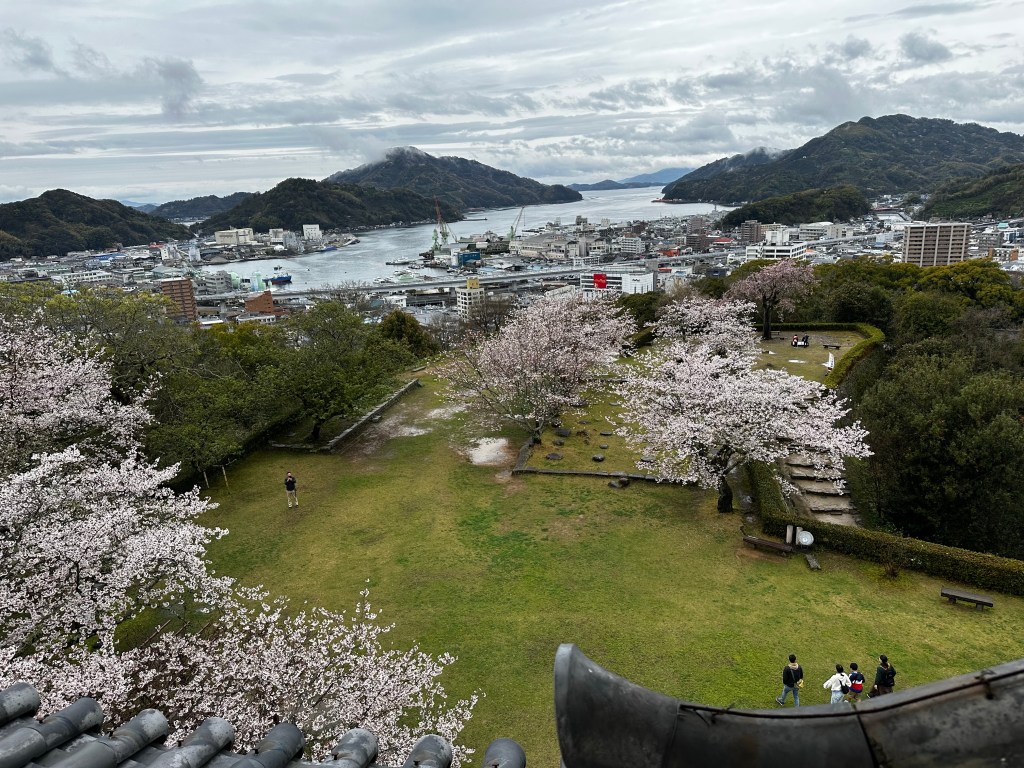
It was just after 10:00 a.m. and we were getting a late start out of the city. There wouldn’t be much time for breaks if we were to make it to our next minshuku by 5:00 p.m. Temple 41 was a little over an two hours away. We stopped at a Lawson Station to get something for lunch before getting to the temple. There was no seating in Lawson, so we tried our luck with the nearby Michi no Eki (“roadside station”) – a collection of shops and restaurants in one location appealing to drivers wanting a break – but only found an eave to sit under at the back of the building.
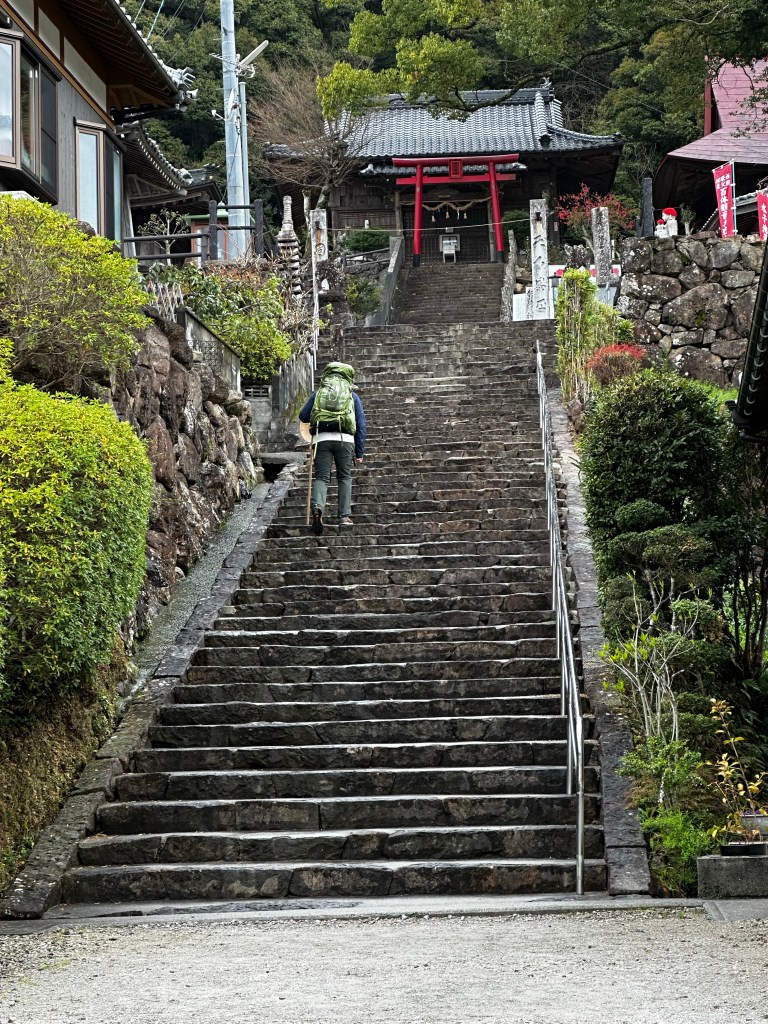


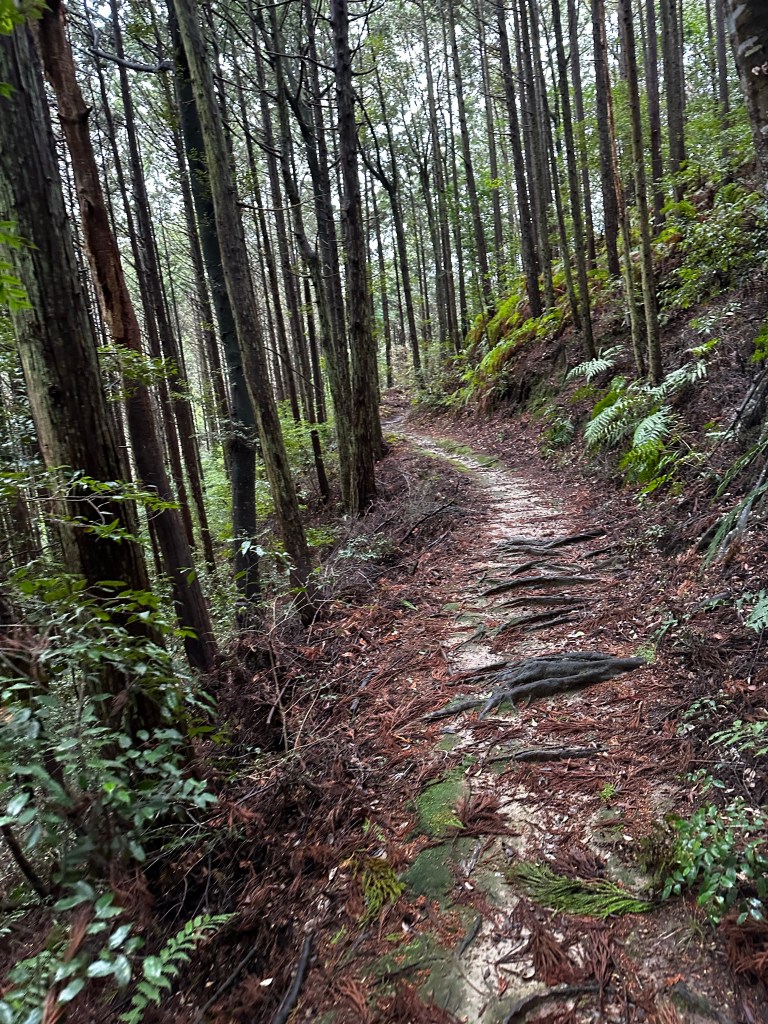
We reached Temple 42 about 45 minutes after leaving Temple 41.
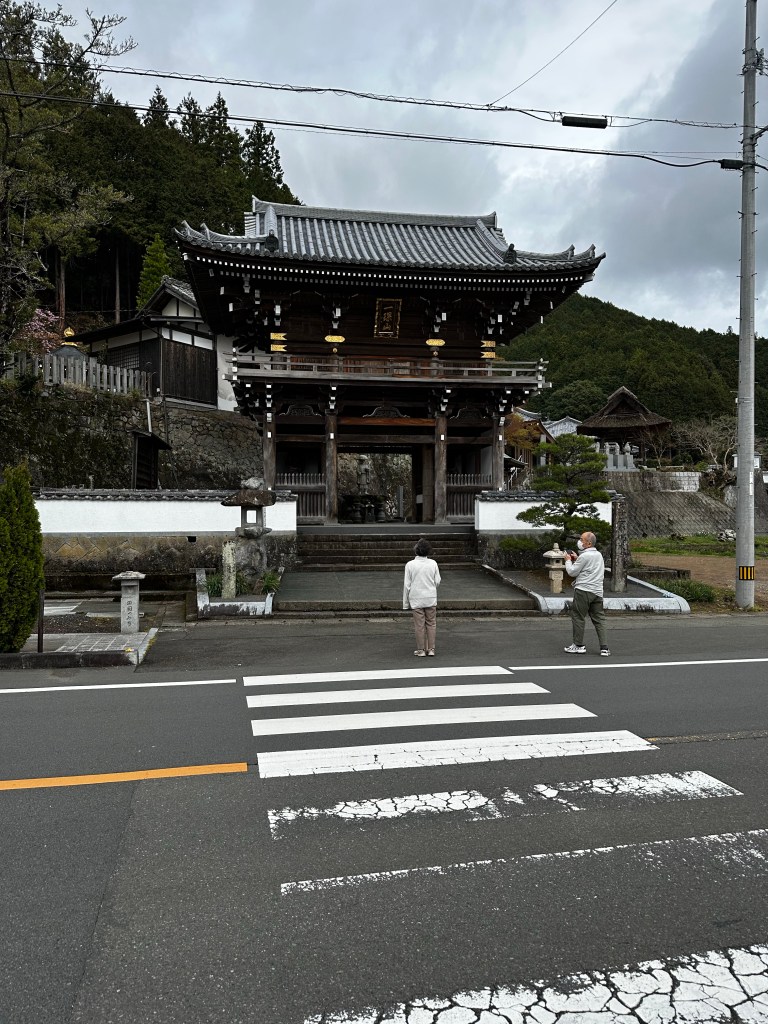
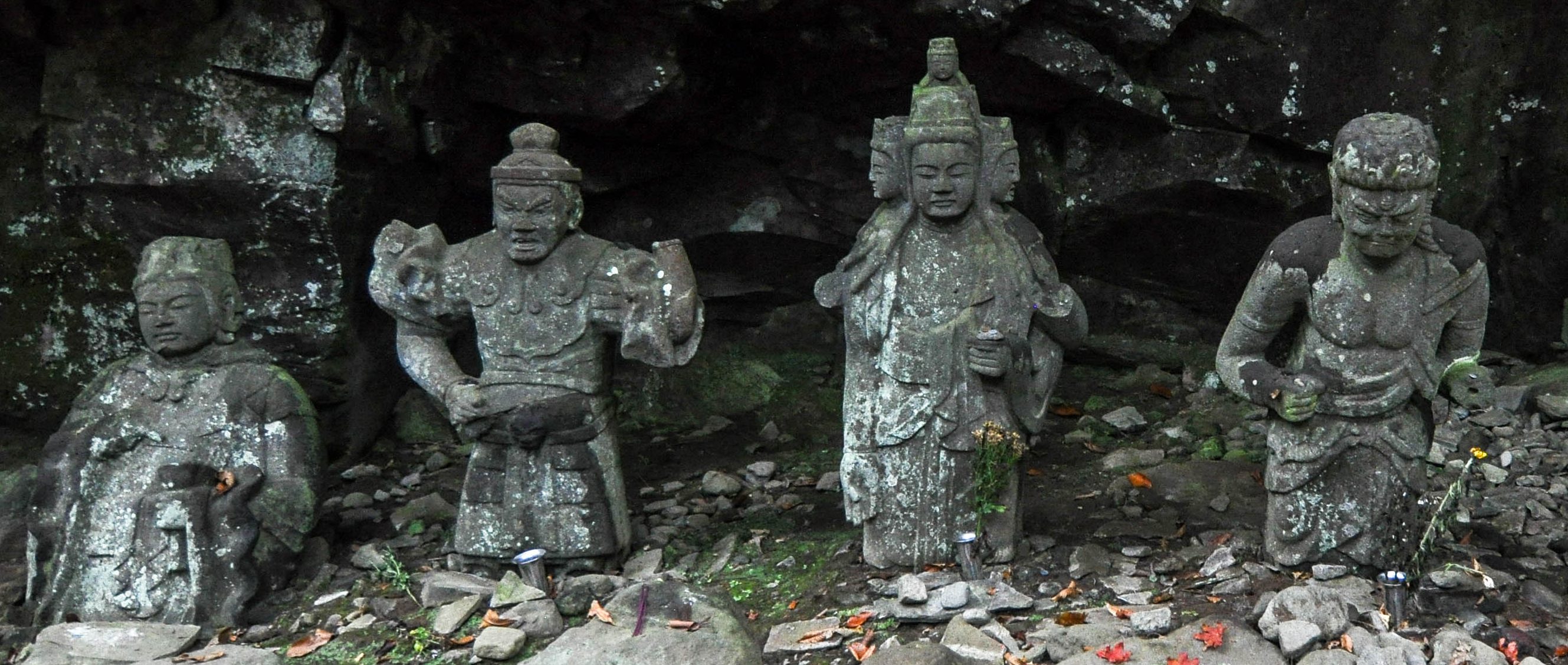
Butsumokuji (Temple 42 – “Temple of Buddha’s Tree”) Legends say that while Kukai was passing this spot he spotted a Mani jewel hanging in the branches of an old camphor tree. He recognized it as a the Mani jewel he thrown into the ocean while living and studying Buddhism in China. He then carved an image of Dainichi Nyorai and placed the jewel in its forehead.
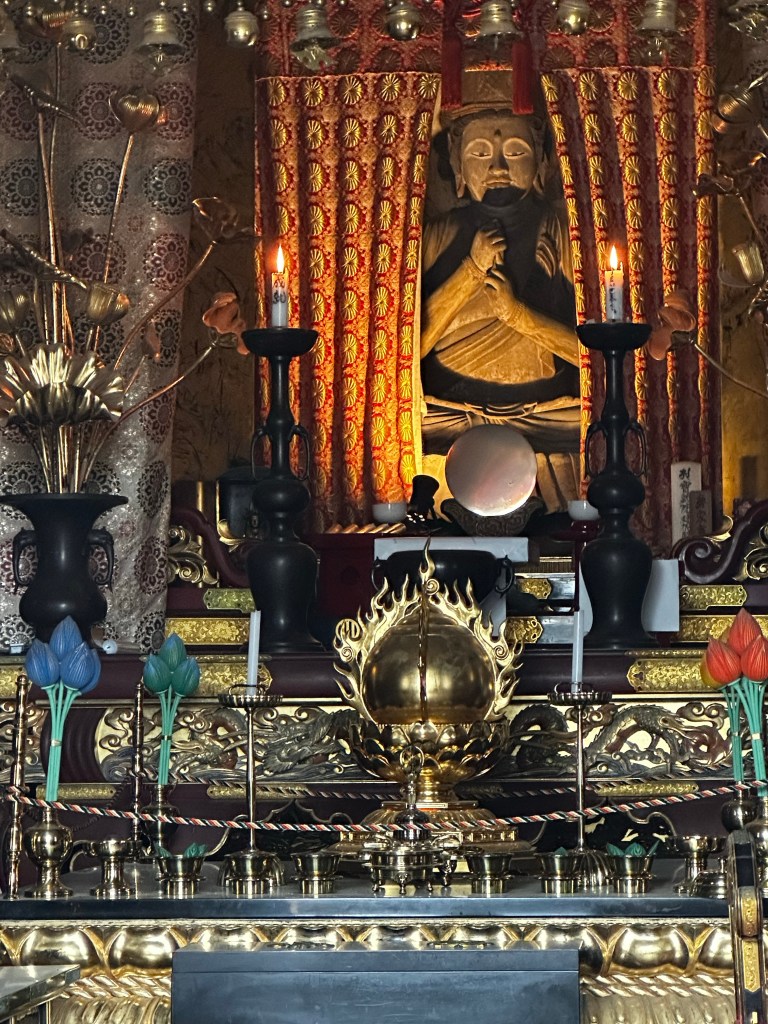
It was just past 3:00 and we still needed to get to our minshuku for the evening. I had looked at my map, saw the first few kilometers leading from the temple, flipped to the next page and saw the final few kilometers leading to the minshuku, and said the route looking fairly easy and we should be there in no time. Connor looked at the route and said, “There’s a 500 meter elevation gain in the middle.” I missed the mountain overpass at the bottom of the page turn. There was nothing for it but to get started right away.
The climb was steep, but compared to our abilities three weeks ago, it was very manageable. I was breathing heavily, but I didn’t have to stop and catch my breath as desperately as before. Even Connor recognized he was tackling the climb more strongly than he would have previously.
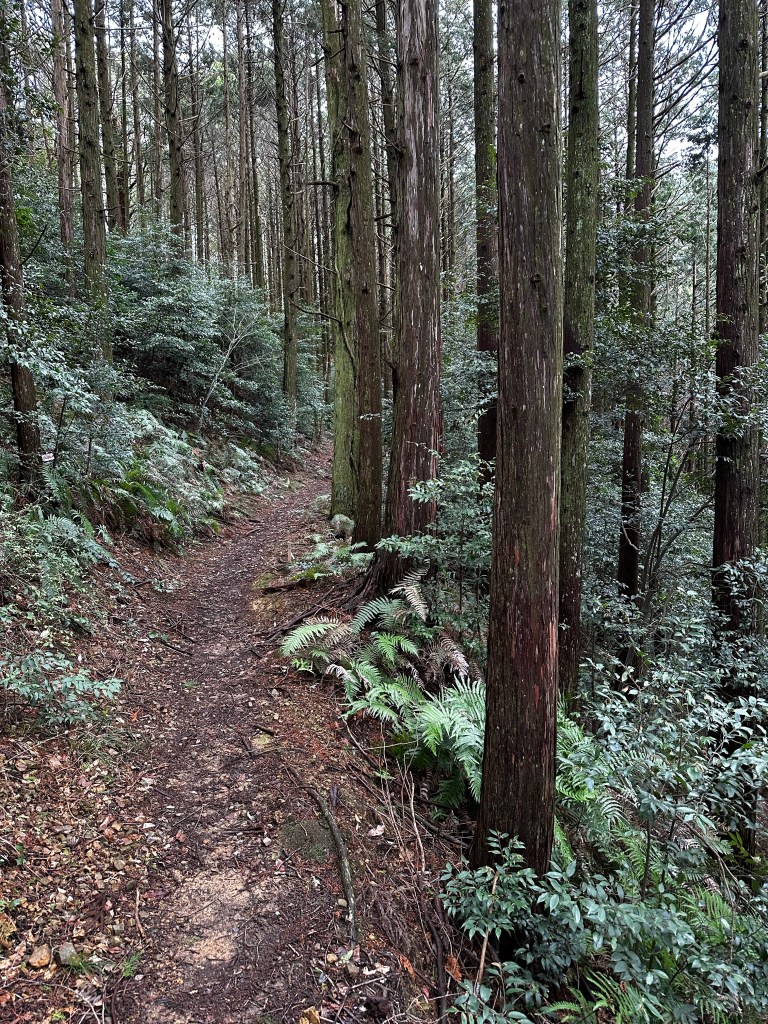
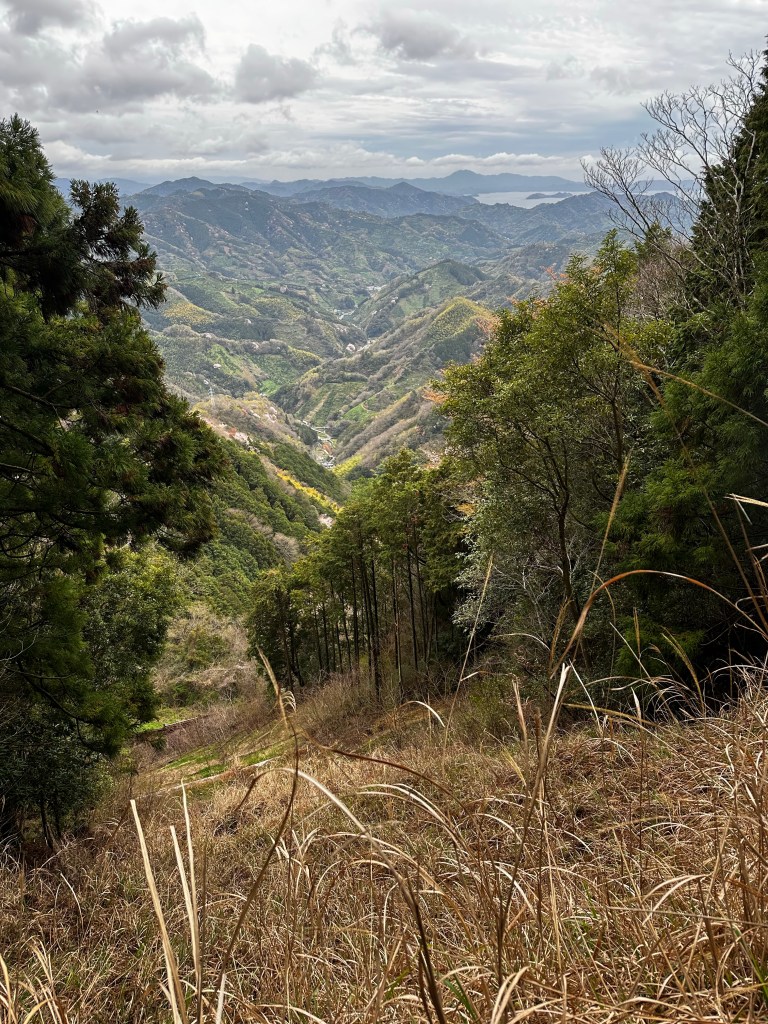
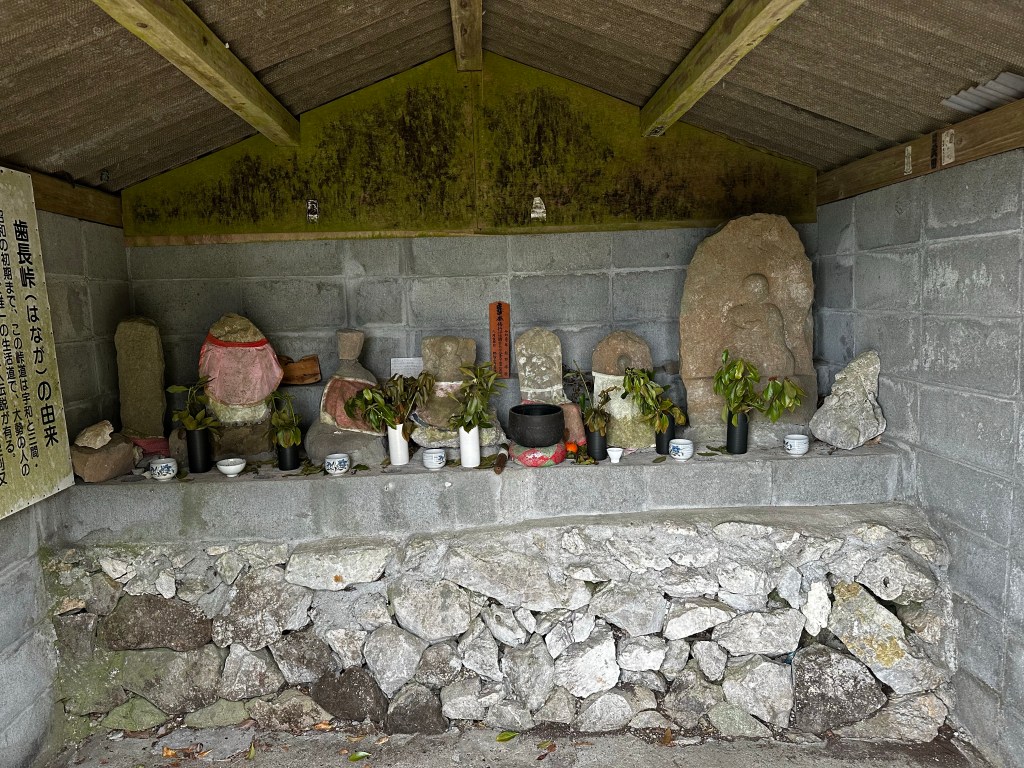
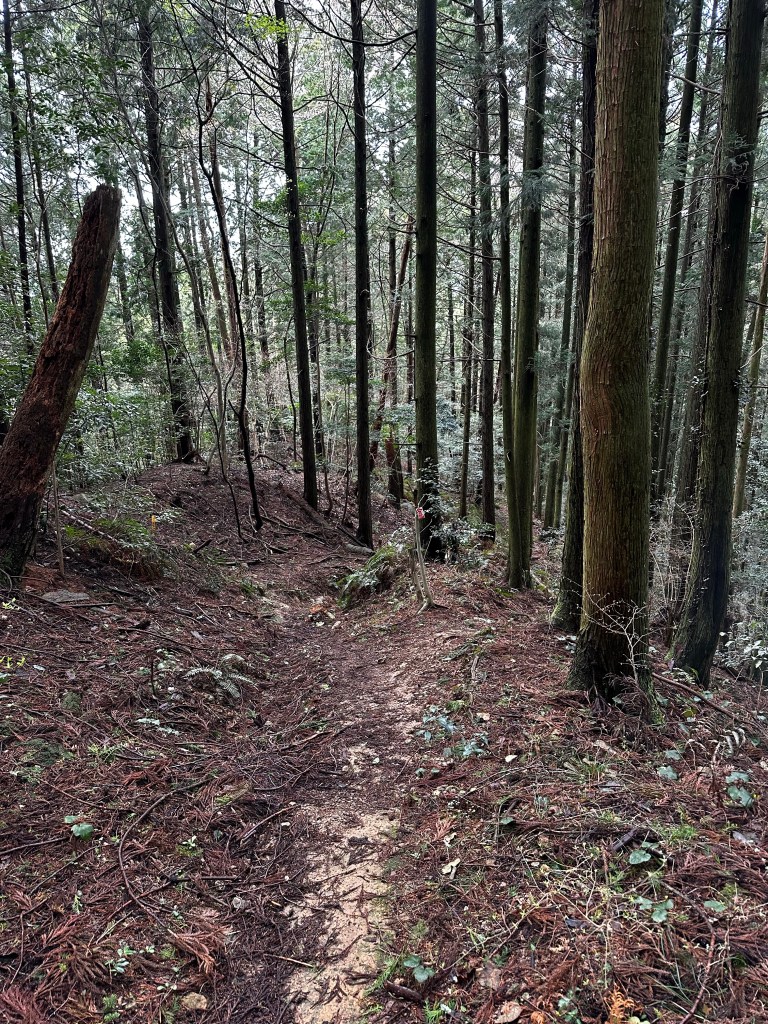
We got into our minshuku at 5:20 p.m.
 2023 Shikoku Henro
Good to see the cherry blossoms coming!
LikeLiked by 1 person